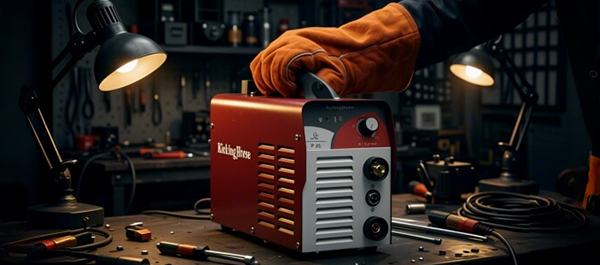
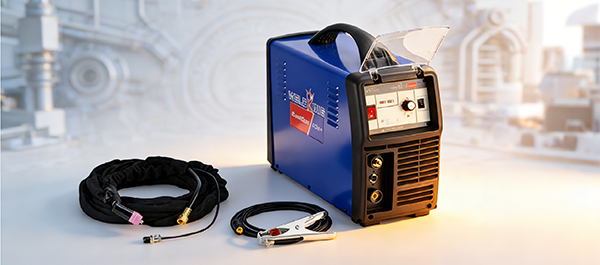
Introduction: Elevating Your Plasma Cutting Skills
Basic straight-line cutting uses only part of a plasma cutter's capability. Bevel cutting, circle cutting, gouging, advanced piercing, and precision detail work all expand what you can do with the same machine when technique improves.
Advanced plasma cutting is mostly about control: angle control, standoff control, start control, and path control.
Bevel Cutting
- Use guides or fixtures to keep the torch angle consistent.
- Increase amperage slightly and reduce travel speed compared with straight cutting.
- Account for wider kerf and edge geometry in layout.
Circle and Shape Cutting
Circle Guides
Best for manual repeatability on holes and round cutouts.
Templates
Useful for repeat shapes when CNC is not available.
CNC Cutting
Best choice for complex or highly repeatable geometry.
Gouging and Metal Removal
Gouging removes metal for weld repair, back gouging, and surface prep. Use a shallow torch angle and fast motion, and expect multiple passes for depth control.
Restricted Access and Special Techniques
- Extended reach cutting often needs slightly more amperage and slower motion.
- Mirror cutting is possible, but it demands deliberate practice and simple starting geometries.
- Fine-detail work usually requires fine-cut consumables and lower output.
Piercing Strategy
Use edge starts whenever possible because they are easier on consumables. When piercing is required, use proper pierce height, adequate delay, and avoid placing the initial pierce where surface quality matters most.
Production Techniques
Common-line cutting, smart nesting, and controlled sequence planning improve throughput and reduce waste. Stack cutting can help output, but it usually trades away edge quality and adds cleanup.
Conclusion
Advanced plasma work rewards deliberate practice and consistent setup. The better you manage angle, motion, and start conditions, the more your machine behaves like a precision fabrication tool instead of only a rough cutting tool.