Introduction: The Challenge and Reward of Aluminum Welding
Aluminum welding presents unique challenges due to the metal's high thermal conductivity, low melting point, and the presence of a tenacious oxide layer. However, mastering aluminum welding opens opportunities in aerospace, marine, automotive, and countless other industries where aluminum's lightweight and corrosion resistance are valued.
This comprehensive guide covers everything you need to know to successfully weld aluminum using both MIG and TIG processes.
Understanding Aluminum Properties
Physical Characteristics
Thermal Conductivity:
- 5x higher than steel
- Rapid heat dissipation
- Requires higher amperage
- Fast travel speeds
Melting Point:
- 1,220°F (660°C)
- Low compared to steel
- Narrow processing window
- Careful heat control needed
Thermal Expansion:
- Twice that of steel
- High distortion potential
- Careful fixturing required
- Compensation needed
Oxide Layer:
- Forms instantly in air
- Melting point 3,700°F
- Must be removed
- Affects weld quality
Aluminum Alloy Series
1XXX (Pure Aluminum):
- 99%+ pure
- Excellent weldability
- Soft and ductile
- Chemical/electrical
2XXX (Copper Alloys):
- High strength
- Poor weldability
- 2219 is weldable
- Aerospace limited
3XXX (Manganese):
- Good weldability
- Moderate strength
- 3003, 3004
- General purpose
4XXX (Silicon):
- Used as filler
- Lowers melting point
- 4043, 4047
- Good fluidity
5XXX (Magnesium):
- Excellent weldability
- Good strength
- 5052, 5083, 5086
- Marine grade
6XXX (Magnesium-Silicon):
- Heat treatable
- Moderate weldability
- 6061, 6063
- Structural
**7XXX (
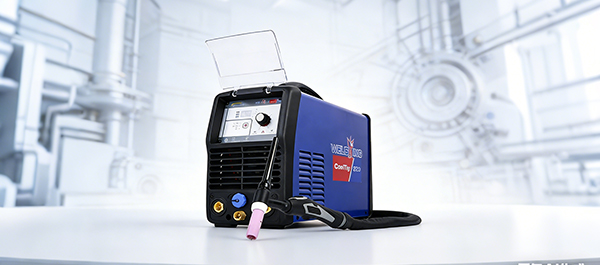
GTAW (TIG) Aluminum Welding
Equipment Requirements
Power Source:
- AC output required
- High-frequency start
- Balance control
- AC frequency control
Torch:
- Air or water-cooled
- Gas lens recommended
- #5-8 cup typical
- Flexible head helpful
Tungsten:
- Pure (green) or zirconiated (brown)
- Balled tip for AC
- 3/32" to 1/8" typical
- Dedicated grinder
AC Welding Principles
Electrode Positive (EP):
- Cleans oxide layer
- Less penetration
- Essential for aluminum
- Balance control adjusts
Electrode Negative (EN):
- Provides penetration
- No cleaning action
- Maximum heat input
- Balance control adjusts
Balance Control:
- 60-75% EN typical
- More EN = more penetration
- More EP = more cleaning
- Adjust for condition
AC Frequency:
- Standard 60 Hz
- High frequency 100-250 Hz
- Higher = narrower arc
- Better control
Preparation
Cleaning:
- Stainless steel brush
- Remove oxide layer
- Acetone degrease
- Clean just before welding
Tungsten Preparation:
- Ball the tip
- Strike arc on copper
- Form hemisphere
- Don't grind after
Technique
Starting:
- High-frequency start
- Begin ahead of start
- Return to start point
- Establish pool
Welding:
- Push angle 10-15°
- Tight arc 1/8"
- Fast travel
- Add filler to leading edge
Filler Addition:
- Dip and withdraw
- Don't touch tungsten
- Consistent rhythm
- Match travel speed
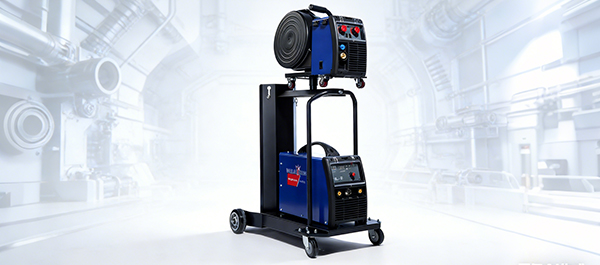
GMAW (MIG) Aluminum Welding
Equipment Requirements
Power Source:
- CV output
- Pulsed capability preferred
- Synergic control helpful
- Push-pull or spool gun
Wire Feeder:
- Push-pull system
- Teflon liner
- U-groove drive rolls
- Smooth feeding
Gun:
- Spool gun or push-pull
- Short contact tip
- Proper stick-out
- Good shielding
Shielding Gas:
- 100% argon
- 25-75% helium mix (thick)
- 100% helium (special)
- High flow 25-40 CFH
Wire Selection
ER4043 (Al-Si5):
- Most popular
- Good fluidity
- Crack resistant
- Gray color
ER5356 (Al-Mg5):
- Higher strength
- Better ductility
- Marine grade
- Matches 5xxx color
ER4943:
Improved 4043
Better fluidity
Growing popularity
Technique
Parameters:
- Higher amperage than steel
- Fast travel speed
- Spray or pulsed transfer
- Short-circuit for thin
Gun Angle:
- Push 10-15°
- Perpendicular acceptable
- Consistent
- Good visibility
Stick-Out:
- 3/4" to 1"
- Longer than steel
- Affects arc
- Maintain consistent
Common Problems and Solutions
Porosity
Causes:
- Moisture
- Oxide contamination
- Poor shielding
- Dirty filler
Solutions:
- Clean, dry materials
- Remove oxide
- Increase gas flow
- Improve technique
Lack of Fusion
Causes:
- Insufficient heat
- Too fast travel
- Thick oxide
- Poor technique
Solutions:
- Increase amperage
- Slow down
- Clean better
- Improve angle
Hot Cracking
Causes:
- Improper filler
- High restraint
- Rapid cooling
- Base metal chemistry
Solutions:
- Use 4043 or 4643
- Reduce restraint
- Preheat thick sections
- Control heat input
Distortion
Causes:
- High expansion
- Excessive heat
- Poor fixturing
- Unbalanced welding
Solutions:
- Skip welding
- Heat sinks
- Proper fixturing
- Fast travel
Tungsten Contamination
Causes:
- Touching work
- Improper balance
- Excessive EP
- Contaminated base
Solutions:
- Maintain arc length
- Adjust balance
- Clean base metal
- Re-ball tungsten
Special Techniques
Pulse Welding
Benefits:
- Better control
- Less heat input
- Reduced distortion
- Improved appearance
Parameters:
- Peak for penetration
- Background maintains arc
- 1-3 Hz manual
- 50-200 Hz synergic
Back Purging
Applications:
- Critical work
- Complete penetration
- Corrosion resistance
- X-ray quality
Setup:
- Argon backing
- Seal ends
- 5-15 CFH
- Verify flow
Preheating
When to Preheat:
- Thick sections (>3/8")
- High conductivity
- Castings
- Cold conditions
Temperature:
- 200-300°F typical
- Maximum 400°F
- Even heating
- Monitor with crayons
Applications
Automotive
Components:
- Intake manifolds
- Intercoolers
- Fuel tanks
- Structural parts
Processes:
- GMAW production
- GTAW prototypes
- Robotic welding
- High volume
Marine
Applications:
- Boat hulls
- Superstructures
- Tanks
- Components
Considerations:
- 5083, 5086 grades
- Corrosion resistance
- Complete penetration
- Quality critical
Aerospace
Requirements:
- High precision
- X-ray quality
- Special alloys
- Documentation
Processes:
- GTAW primarily
- Pulsed welding
- Back purging
- Extensive testing