Introduction: The Art of Stainless Steel Welding
Stainless steel welding requires special techniques to maintain the material's corrosion resistance and mechanical properties. The low thermal conductivity and high thermal expansion of stainless steel create unique challenges that demand proper procedures and attention to detail.
This comprehensive guide covers everything you need to know to successfully weld all types of stainless steel, from common austenitic grades to specialized alloys.
Understanding Stainless Steel Types
Austenitic Stainless Steels (300 Series)
304/304L
Most common grade, 18% chromium, 8% nickel, excellent weldability, general purpose, 304L preferred for welding.
316/316L
2-3% molybdenum added, superior corrosion resistance, excellent weldability, marine/chemical applications.
321/347
Titanium or niobium stabilized, resistant to sensitization, high temperature service, more difficult to weld.
Ferritic Stainless Steels (400 Series)
409, 430, 439
Magnetic, lower cost, moderate corrosion resistance, limited weldability, grain growth in HAZ.
Challenges
Loss of toughness in HAZ, limited to thin sections, may require PWHT, not for critical applications.
Martensitic Stainless Steels
- 410, 420, 440C: Magnetic and hardenable, high strength, poor weldability, Preheat and PWHT required
Duplex Stainless Steels
2205, 2507
Mixed austenitic-ferritic, superior strength, excellent corrosion resistance, require careful heat input control.
Welding Processes for Stainless Steel
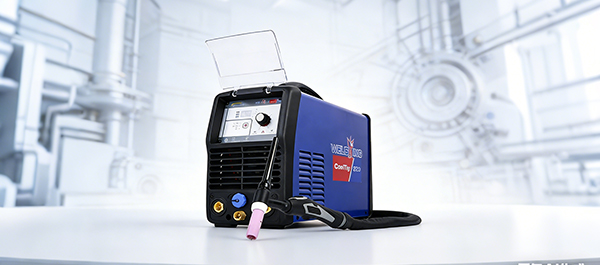
GTAW (TIG) - Preferred Method
Advantages
Excellent control, clean process, no spatter, best quality, all positions.
Technique
Sharp tungsten point, tight arc length, minimal heat input, back purging for root.
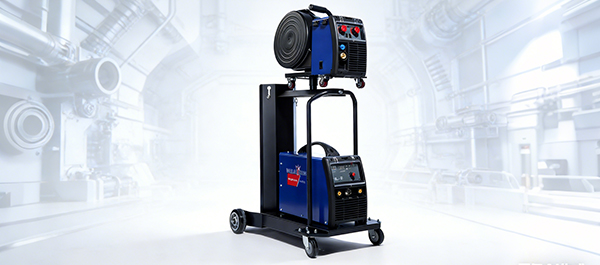
GMAW (MIG)
Advantages
High deposition, production welding, good quality, economical.
Technique
Push technique, proper stick-out, stable arc, good fit-up.
SMAW (Stick)
- Applications: Field work, repair, all positions, no gas required
- Electrodes: E308L for 304, E316L for 316, E309L for dissimilar, E310 for high heat
Key Considerations
Heat Input Control
Importance
Prevents distortion, reduces sensitization, controls grain growth, maintains properties.
Interpass Temperature
Maximum 300°F (150°C), allow cooling between passes, use compressed air if needed.
Distortion Prevention
Challenges
High thermal expansion, low thermal conductivity, rapid heat buildup, significant warping.
Solutions
Skip welding, backstep technique, heat sinks, fixturing, small welds.
Back Purging
- Purpose: Prevents oxidation, maintains corrosion resistance, produces silver root, required for critical work
- Setup: Seal ends, argon flow 5-15 CFH, purge 2-5 minutes, maintain during welding
Sensitization Prevention
Understanding Sensitization
- Carbon combines with chromium
- Forms chromium carbides
- Depletes chromium from grain boundaries
- Reduces corrosion resistance
- Occurs at 800-1600°F
Low-Carbon Grades
304L
<0.03% carbon, resistant to sensitization, standard for welded construction.
316L
<0.03% carbon, superior corrosion resistance, preferred for chemical service.
Filler Metal Selection
Matching Filler to Base Metal
- 304 to 304: ER308L (GTAW/GMAW), E308L (SMAW), match composition, good corrosion
- 316 to 316: ER316L, E316L, molybdenum maintained, superior corrosion
- 304 to 316: ER316L, higher alloy, compatible, good practice
Dissimilar Joints
- Stainless to Carbon Steel: ER309L, higher alloy filler, buffer layer, nickel-based options
Common Problems and Solutions
Chromium Carbide Precipitation
Symptoms
Intergranular corrosion, reduced corrosion resistance, weld decay.
Solutions
Use L grades, control heat input, solution anneal, proper grade selection.
Hot Cracking
Causes
Low melting point constituents, high sulfur/phosphorus, improper filler, excessive restraint.
Solutions
Proper filler (3-10 FN), clean base metal, reduce restraint, control heat input.
Sugaring (Oxidation)
Back purging, reduce heat input, improve shielding, copper backing.
Post-Weld Treatment
Cleaning
- Mechanical: Stainless brushes (dedicated), grinding, polishing, blasting
- Chemical: Pickling, passivation, electropolishing, professional application
Passivation
- Purpose: Removes free iron, enhances oxide layer, improves corrosion resistance, required for critical
- Methods: Nitric acid, citric acid, professional service, follow specifications
Applications and Best Practices
Food and Pharmaceutical
Requirements
No crevices, smooth finish, complete penetration, passivation, documentation.
Processes
GTAW preferred, back purging, mechanical polish, electropolish, passivation.
Chemical Processing
- 316L or higher recommended
- PWHT may be required
- NDT specified
- Material certification required
Marine Applications
- 316L minimum required
- Pitting resistance important
- GTAW or GMAW preferred
- Post-weld cleaning essential
Conclusion
Welding stainless steel successfully requires understanding the material's unique properties and applying proper techniques. By controlling heat input, using appropriate filler metals, and following best practices, you can produce welds that maintain the corrosion resistance and mechanical properties that make stainless steel valuable.
The investment in proper procedures - from back purging to post-weld cleaning - pays dividends through extended service life and reliable performance in demanding applications.