Introduction: Bringing Plasma Cutting into the Home Shop
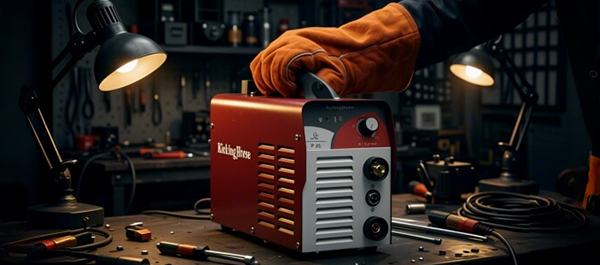
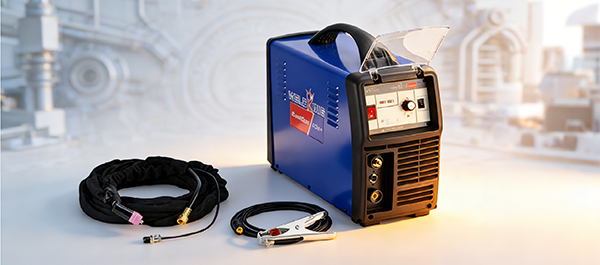
Portable plasma cutting has become realistic for garages, hobby shops, small fabrication spaces, and side-business work. It gives DIY users cleaner and faster metal cutting than grinders, saws, or oxy-fuel in many home-shop situations.
For DIY users, the best plasma cutter is the one that matches household power, available air supply, and the real project thickness range. Buying too much machine or too little machine both create waste.
Why Plasma Works Well for DIY
- Faster and cleaner than many handheld cutting alternatives
- Cuts shapes, holes, and profiles that are awkward with abrasive tools
- Useful for automotive work, brackets, metal art, home repairs, and small fabrication jobs
Choosing a Home Shop System
120V Systems
Best for lighter work and easier electrical setup.
240V Systems
Better if the shop regularly cuts thicker material and has the power available.
Built-In Air Options
Convenient for portability and compact shops, though usually with lower output limits.
External Compressor Setups
More flexibility and often better sustained air performance.
Shop Setup Basics
Even a small plasma setup needs proper power, ventilation, grounding, safe work support, and fire awareness. A simple metal table, safe clearance from combustibles, and a reliable air source go further than decorative shop upgrades.
Getting Started
- Practice on scrap before touching project material.
- Start with straight cuts and edge starts.
- Learn spark angle, speed control, and standoff before attempting detailed work.
- Keep spare consumables on hand and change them before they damage the cut quality.
Common DIY Projects
- Auto body and patch panel work
- Brackets, tabs, and mounting plates
- Fire pits, gates, and home fixtures
- Metal art, signs, and decorative work
- Trailer and equipment repair
Tips for Success
- Buy enough machine for the material you actually use most.
- Do not ignore PPE and ventilation just because the shop is small.
- Use clean dry air; home-shop moisture problems destroy results fast.
- Document the settings that work so future projects start faster.
Conclusion
DIY plasma cutting is practical now because portable systems have become more accessible and easier to run. With a realistic machine choice and disciplined setup, a home shop can produce work that looks far more professional than many people expect.