Introduction: Choosing the Right Cutting Process
Plasma and oxy-fuel both remain useful in metal fabrication, but they solve different problems well. Plasma dominates where speed, precision, and non-ferrous capability matter. Oxy-fuel still holds a strong position in thick carbon steel and field situations where simple gas equipment is practical.
Plasma wins on material versatility and cut quality. Oxy-fuel wins when steel is thick enough that thermal chemistry becomes more practical than high-speed plasma cutting.
How Each Process Works
Plasma Cutting
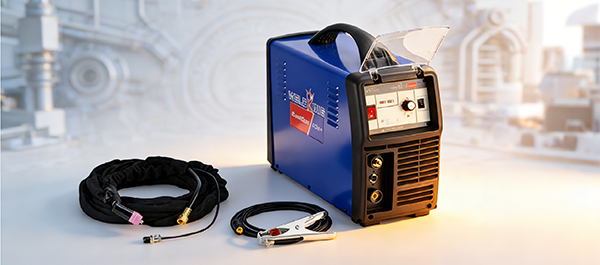
An electrically ionized gas stream melts and ejects conductive metal. No preheat is required and many metals can be cut.
Oxy-Fuel Cutting
A preheat flame brings steel to ignition temperature, then oxygen oxidizes and removes the metal through a chemical reaction.
Material Compatibility
| Process | Works Best On | Main Limitation |
|---|---|---|
| Plasma | Steel, stainless, aluminum, copper alloys, titanium, any conductive metal | Cannot cut non-conductive materials |
| Oxy-Fuel | Mild steel and some ferrous materials | Cannot effectively cut stainless or non-ferrous metals |
Thickness Capabilities
Plasma is strongest on thin to medium material. Oxy-fuel becomes increasingly practical as carbon steel gets thicker.
- Plasma: strongest quality zone is often from thin sheet through medium plate.
- Oxy-fuel: especially effective on thick carbon steel where portability and low equipment cost matter.
Cut Quality and Speed
Plasma Quality
Narrow kerf, smaller heat-affected zone, cleaner edge, and less cleanup.
Oxy-Fuel Quality
Wider kerf, more slag, more heat distortion, and rougher surfaces on many jobs.
Plasma Speed
Much faster on thin and moderate plate, especially below about 1 inch.
Oxy-Fuel Speed
Competitive on thick steel, but slower overall once preheat and cleanup are included.
Operating Costs and Portability
Plasma usually has higher equipment cost but lower cleanup and better throughput. Oxy-fuel often starts cheaper and is easy to deploy in remote work, but gas handling, slower cuts, and more cleanup shift the economics depending on the job mix.
- Choose plasma when precision, speed, and multi-metal cutting matter.
- Choose oxy-fuel when thick carbon steel and simple remote portability matter most.
- Many shops benefit from owning both and using each where it is strongest.
Application-Based Recommendations
| Situation | Better Choice | Reason |
|---|---|---|
| Stainless or aluminum fabrication | Plasma | Oxy-fuel cannot cut these effectively |
| Thin sheet production | Plasma | Faster, cleaner, and more precise |
| Very thick carbon steel | Oxy-Fuel | Simple and practical for heavy plate |
| General-purpose mixed shop | Both | Maximum flexibility and lower compromise |
Conclusion
Plasma and oxy-fuel are not interchangeable in every context. Plasma is the stronger all-around choice for modern fabrication where speed, quality, and material versatility dominate. Oxy-fuel remains valuable when the work is thick carbon steel, simple, and field-oriented.
Thin to medium and multi-metal: plasma ✓ Very thick carbon steel: oxy-fuel ✓ Mixed fabrication shop: both ✓