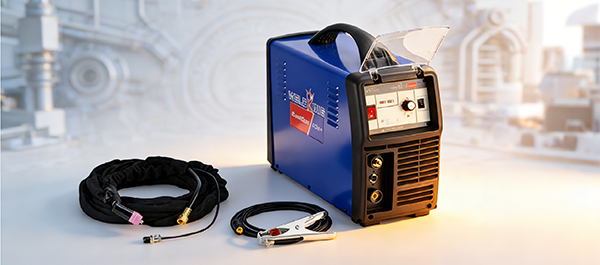
Introduction: Cutting Freedom with Portable Plasma Systems
Portable plasma systems bring metal-cutting capability to construction sites, field maintenance, shipyards, emergency repair work, and remote environments where shop equipment cannot go. The challenge is balancing portability against output, duty cycle, air supply, and power availability.
The best portable plasma cutter is not the lightest unit available. It is the lightest unit that still cuts the real field materials you encounter without turning every job into a compromise.
Types of Portable Systems
120V Units
Best for light maintenance, HVAC, automotive work, and very portable use.
240V Units
Better field capacity and duty cycle for heavier repair and construction tasks.
Battery Systems
Emerging option where ultimate mobility matters more than runtime and heavy thickness.
Engine-Driven Units
Self-contained systems for remote work where no grid power is available.
How to Select a Portable System
- Base the machine on real maximum thickness, not only occasional sever limits.
- Check what power is realistically available on the jobsite.
- Plan for air supply at the same time as power supply.
- Consider weight, transport method, and carry distance.
Field Accessories and Setup
Portable systems often depend on generators, extension cords, compact compressors, air tanks, or nitrogen bottles. Ground clamps, hose management, and a real field PPE kit matter just as much as the machine itself.
Field Cutting Technique
| Field Challenge | Main Risk | Best Response |
|---|---|---|
| Unstable power | Weak arc and erratic starts | Use correctly sized generator and cable setup |
| Poor air supply | Short consumable life and bad cuts | Confirm CFM, moisture control, and backup supply |
| Awkward positions | Inconsistent torch control | Secure footing and support material carefully |
| Remote work | Downtime from missing gear | Stage spare consumables and backup essentials |
Field Safety
Portable cutting adds environmental hazards: weather, uneven ground, limited ventilation, and harder evacuation routes. The farther you are from a controlled shop, the more important planning becomes.
Field Maintenance and Transport
- Inspect cables, leads, and consumables before each deployment.
- Clean and secure the machine before transport.
- Protect the unit from dust, rain, and impact between jobs.
- Keep backup consumables and basic service items with the machine.
Conclusion
Portable plasma cutting expands where and how metal work can be done, but mobility only helps if the system still cuts effectively under field conditions. Power, air, transport, and site safety have to be planned as one package.