Introduction: Investing in Quality Equipment
Selecting the right welding equipment is crucial for achieving quality results, maintaining productivity, and ensuring operator safety. With the wide variety of machines, accessories, and options available, making informed decisions requires understanding your specific needs, budget constraints, and future growth plans.
This comprehensive guide walks you through the equipment selection process for all major welding processes, helping you make smart investments that deliver value for years to come.
Assessing Your Needs
Application Analysis
- Material Types: Steel (mild, stainless, alloy), Aluminum, Other metals, Material thickness range, Typical joint types
- Production Volume: Occasional/hobby use, Light fabrication, Production welding, Heavy industrial, Multi-shift operation
- Portability Requirements: Shop-only, Occasional field work, Mobile service, Construction site, Multiple locations
Process Selection
SMAW (Stick)
Outdoor work, portability needed, all positions, various materials, simple setup.
GMAW (MIG)
Production welding, high deposition, indoor work, steel and aluminum, clean conditions.
FCAW (Flux-Cored)
High deposition, outdoor capability, thick materials, less cleaning, production work.
GTAW (TIG)
Precision work, all materials, quality critical, thin materials, skilled operator.
Power Source Selection
Input Power Considerations
- 120V Systems: Up to 140 amps typical, household outlet, portable, limited capacity, hobby/light use
- 240V Systems: Up to 300+ amps, shop installation, higher capacity, professional use, dedicated circuit
- Three-Phase Systems: Industrial power, 300+ amps, continuous duty, production environments, professional installation
Output Characteristics
- Constant Current (CC): SMAW and GTAW, voltage varies, current stable, arc length control
- Constant Voltage (CV): GMAW and FCAW, current varies, voltage stable, wire feed control
- Multi-Process: CC and CV, all processes, versatile, cost-effective
Duty Cycle
Definition: Percentage of time at rated output, 10-minute cycle typical, higher is better, affects productivity.
Hobby: 20% adequate | Light fab: 40% minimum | Production: 60%+ preferred | Industrial: 100% ideal
SMAW (Stick) Equipment
Machine Types
- Transformer: Traditional technology, heavy and durable, lower cost, less efficient, long service life
- Inverter: Modern technology, lightweight, more efficient, better arc control, higher cost
- Engine-Driven: Portable power, field work, generator included, higher cost, maintenance required
GMAW (MIG) Equipment
Machine Selection
- Entry-Level: 140-180 amps, 120V or 240V, basic features, $400-$800, hobby/light use
- Mid-Range: 200-250 amps, 240V, better features, $800-$1,500, fabrication shop
- Industrial: 250-350 amps, three-phase, advanced features, $1,500-$5,000, production
Wire Feeder Selection
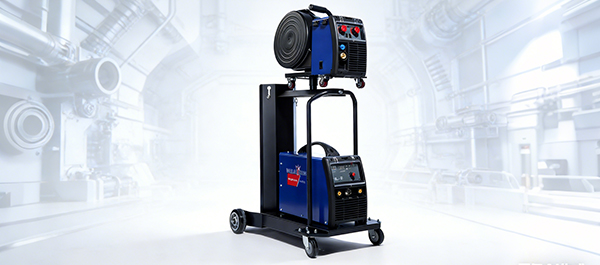
- Integrated: Built-in feeder, compact, limited features, lower cost, basic applications
- Separate Feeder: Standalone unit, more features, push-pull capable, higher cost, industrial use
GTAW (TIG) Equipment
Machine Selection
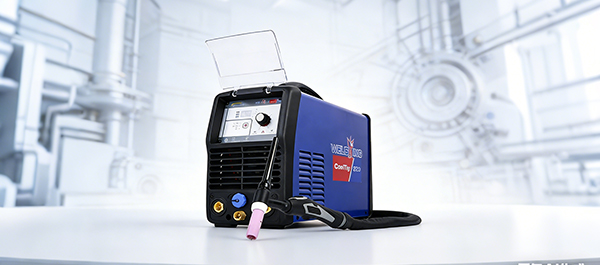
- DC Only: Steel and stainless, lower cost, simpler, most common
- AC/DC: All materials, aluminum capability, higher cost, more versatile
Torch Selection
- Air-Cooled: Lower amperage, lighter weight, less expensive, adequate for most
- Water-Cooled: Higher amperage, smaller handle, more expensive, high production
Plasma Cutting Equipment
Capacity Selection
- Light Duty: 1/4" rated cut, 120V available, portable, $500-$1,500
- Medium Duty: 1/2" rated cut, 240V, shop use, $1,500-$5,000
- Heavy Duty: 1"+ rated cut, three-phase, industrial, $5,000-$20,000
Essential Accessories
Personal Protective Equipment
Helmet
Auto-darkening recommended, proper shade range, comfortable fit, reliability. $100-$500
Gloves
Process-specific, leather quality, comfort, durability. $10-$50
Clothing
Flame-resistant, leather or cotton, long sleeves, no synthetics. $50-$200
Hand Tools
- Chipping Hammer: Spring handle, pointed end, wire brush. $10-$30
- Wire Brush: Stainless steel, comfortable handle, quality bristles. $5-$20
- Pliers: MIG pliers, multi-function, quality steel. $15-$40
Measuring Tools
- Weld Gauge: Fillet size, throat measurement, undercut check. $20-$100
- Calipers: Digital preferred, metric and inch, quality brand. $30-$200
- Square: 6" or 12", precision, durability. $20-$100
Budget Planning
Budget Tiers
- Entry-Level ($1,000-$3,000): 120V MIG or stick welder, basic helmet, gloves and jacket, essential hand tools, gas cylinder
- Mid-Range ($3,000-$8,000): 240V multi-process welder, quality auto-darkening helmet, complete PPE, full tool set, plasma cutter
- Professional ($8,000-$25,000): Industrial welders, multiple processes, CNC plasma table, complete shop tools, fume extraction
Brand Considerations
Major Manufacturers
Miller
Premium quality, excellent support, wide range, higher price, professional favorite.
Lincoln
Long history, good quality, extensive line, competitive price, widely available.
ESAB
European quality, good value, innovative features, growing presence, solid choice.
Hobart
Miller subsidiary, good quality, lower price, hobby to light industrial, value option.
Conclusion
Selecting welding equipment requires careful analysis of your specific needs, budget, and future plans. By understanding the capabilities and limitations of different machines and accessories, you can make informed investments that deliver quality results and long-term value.
Remember that the cheapest option is rarely the best value, while the most expensive may provide capabilities you'll never use. Focus on matching equipment to your actual requirements, with some room for growth, and invest in quality from reputable manufacturers with good support networks.
Start with quality basics, invest in a good helmet first, choose equipment that matches your actual needs, and buy from dealers with strong support networks.