The Future of Welding: Trends and Innovations
March 2026 — The welding industry is evolving faster than many professionals realize. From automation and robotics to digital quality control and advanced materials, the future of welding is being defined by innovation, workforce development, and shifting global demand. For welding professionals, educators, manufacturers, and students, understanding these changes is essential to staying competitive and building long-term career resilience.
Welding Industry Growth and Market Outlook
The global welding industry continues to expand alongside infrastructure investment, advanced manufacturing, renewable energy, and transportation sectors. As governments invest in bridges, pipelines, energy facilities, and manufacturing reshoring initiatives, the demand for skilled welding professionals remains strong.
Several factors are contributing to sustained welding industry growth:
- Infrastructure modernization and repair
- Expansion of renewable energy projects
- Growth in electric vehicle and aerospace manufacturing
- Industrial automation and reshoring of manufacturing
- Replacement demand as experienced welders retire
The welding career outlook remains positive, particularly for professionals with specialized skills, certifications, and experience in high-demand sectors such as structural welding, pipe welding, aerospace fabrication, and robotic welding systems.
Innovations in Welding Technology
Technological advancement is one of the most significant drivers shaping the future of welding. New welding technology is improving precision, safety, and efficiency across industries.
Automation and Robotic Welding
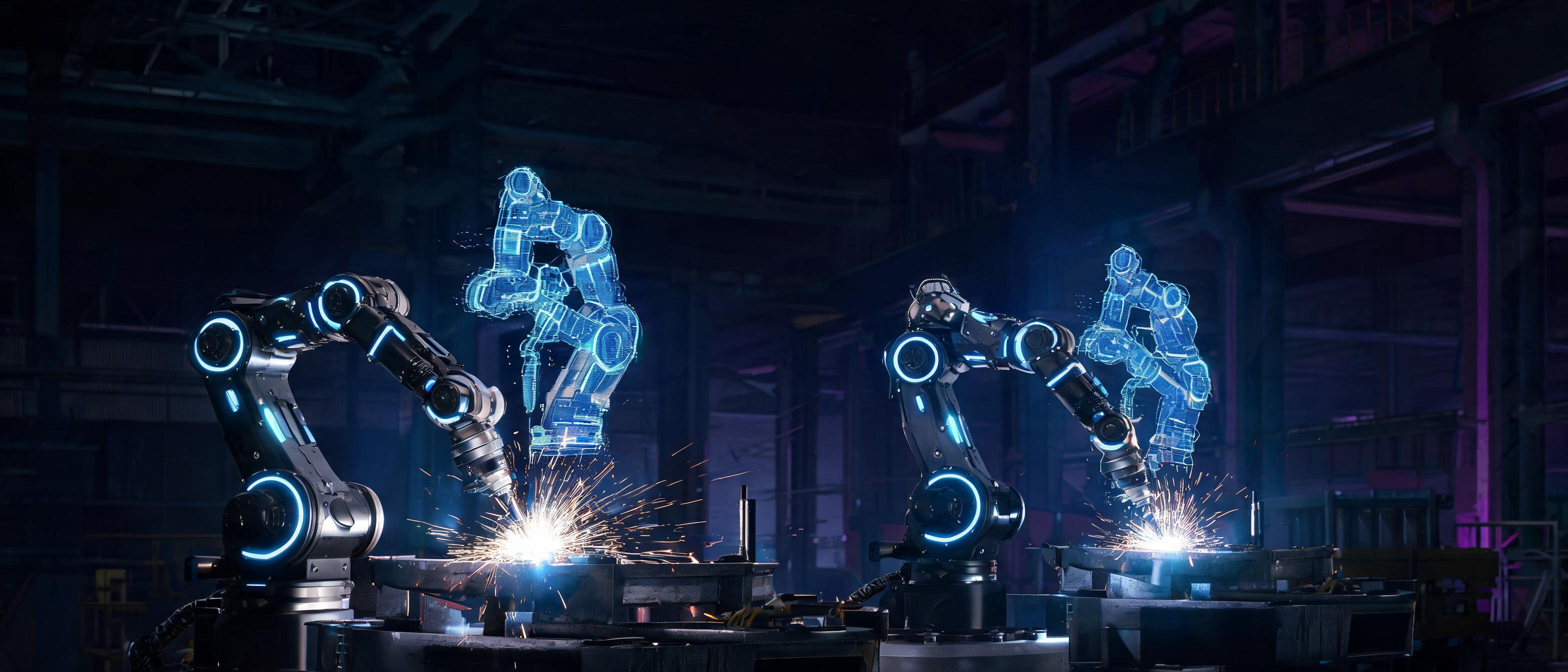
Robotic welding systems are increasingly common in automotive, heavy equipment, and industrial manufacturing environments. Automation allows for:
- Higher production consistency
- Reduced cycle times
- Improved weld repeatability
- Enhanced operator safety
Rather than replacing welders entirely, automation is shifting roles toward programming, quality assurance, and system supervision. Professionals who understand robotic welding integration will be well-positioned in the evolving landscape.
Digital Welding and Smart Manufacturing
Industry 4.0 technologies are transforming how welds are monitored and documented. Digital welding systems now allow real-time tracking of heat input, travel speed, voltage and amperage, and weld parameter consistency. These tools improve traceability and quality control while supporting compliance with evolving industry standards. As digitalization continues, welders and inspectors who understand data-driven quality processes will have a competitive advantage.
Advanced Materials and Processes
The future of welding is also being shaped by the need to join advanced materials. High-strength steels, lightweight aluminum alloys, and specialty metals used in aerospace and renewable energy applications require precise control and updated procedures.
Innovations include:
- Hybrid welding processes combining laser and arc welding
- Friction stir welding for lightweight materials
- Improved filler metals for corrosion resistance
- Enhanced pulsed welding capabilities
As materials evolve, so must welding procedures and certification standards. Staying current with new welding technology is essential for professionals working in high-performance applications.
Welding Industry Trends Shaping Workforce Development
Technology is only part of the equation. Demographic and workforce trends are equally important when examining the future demand for welders.
Retirement and Skilled Labor Gaps
A significant portion of the experienced welding workforce is approaching retirement age. This transition is creating opportunities for younger professionals and career changers entering the field. As seasoned welders retire, employers are seeking individuals with strong foundational welding skills, code knowledge and certification credentials, familiarity with digital and automated systems, and adaptability to evolving standards. This generational shift reinforces the importance of formal education and certification programs.
Increased Emphasis on Certification and Standards
As projects become more complex and compliance requirements tighten, certification and standardized training are increasingly valued. Employers want welders who demonstrate verified skills and knowledge of applicable codes and standards. Professional development through AWS Certification & Education and continued learning via AWS Standards and Publications support long-term employability in a rapidly changing environment.
The Future Demand for Welders
Despite advances in automation, the future demand for welders remains strong. Infrastructure expansion, defense manufacturing, energy development, and transportation upgrades all rely on high-quality welding. Demand is especially strong in structural steel fabrication, pipeline and pressure vessel construction, renewable energy installations, aerospace manufacturing, and heavy equipment repair. While entry-level opportunities remain available, long-term career stability increasingly favors welders who pursue advanced skills, certifications, and specialization.
Welding Career Outlook: Skills for the Next Decade
Understanding the welding career outlook requires looking beyond traditional welding techniques. The welders of the future will combine hands-on skills with technical knowledge and adaptability. Key competencies include proficiency in multiple welding processes, familiarity with automated and robotic systems, knowledge of welding codes and inspection standards, understanding of metallurgy and advanced materials, and comfort using digital monitoring and documentation tools.
Sustainability and Environmental Considerations
Environmental responsibility is becoming a stronger focus across manufacturing and construction. Welding processes are being evaluated for energy efficiency, reduced emissions, fume control and worker safety, and material optimization. Future innovations will likely prioritize cleaner technologies and improved workplace health standards.
What the Future of Welding Means for Professionals
The future of welding is not defined by a single innovation but by the convergence of technology, workforce shifts, and expanding infrastructure needs. While automation and advanced systems are changing workflows, skilled welders remain central to manufacturing, construction, and energy production. For individuals considering entering the field, the outlook remains strong. For experienced professionals, adaptability and continued education will be critical to staying competitive.
Source: AWS Welding Digest, March 2026