
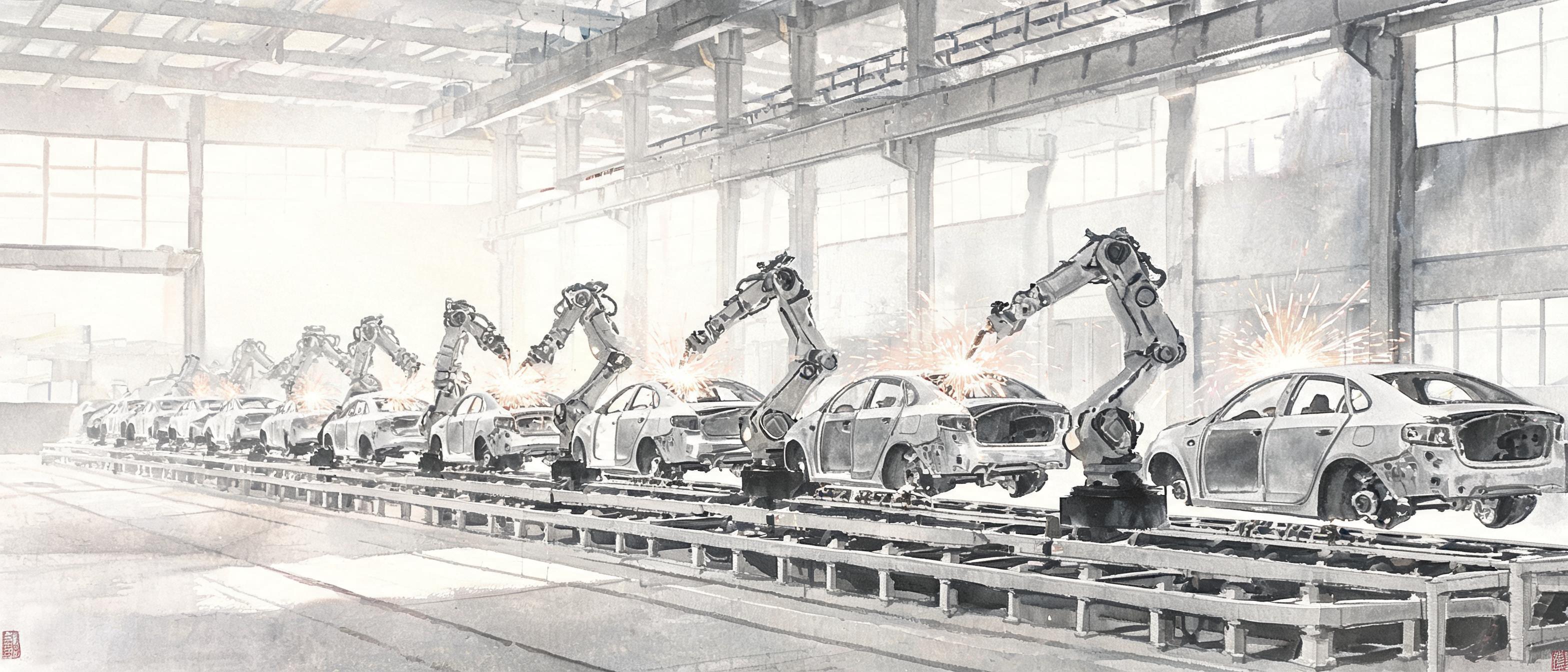
You know, the manufacturing world is changing pretty fast right now, especially when it comes to Automatic Welding Equipment. Looking ahead to 2026, it’s clear that robotics and automation are going to play an even bigger role—driving some serious growth in this space. A report from Research and Markets suggests that the global market for automatic welding gear could hit about USD 7 billion by then, with a growth rate around 5.6% annually. These numbers really show just how much companies are relying more and more on automated solutions to boost efficiency and get those precise results.
Industry expert Dr. John Miller, who's pretty much a go-to guy in automated manufacturing research, points out, 'As industries embrace automation, Automatic Welding Equipment becomes absolutely essential for keeping quality top-notch and funneling out errors.' It’s exciting, but also kind of tricky—this tech offers a lot of promise, but it also brings some hurdles. Implementing these advanced systems isn’t just plug-and-play; it can be a real challenge for some businesses trying to keep up.
Sure, automatic welding promises faster, more accurate work, but it also demands ongoing learning and adaptation. Let’s face it, these machines can be complex, and not everyone is ready to dive right in without a hiccup. For companies to make it work smoothly, they really need to think carefully about how they handle these transitions—and that’s something that could make or break their future success.
As we approach 2026, automatic welding equipment is evolving rapidly. Trends indicate an increase in smart technology integration. These systems leverage artificial intelligence and machine learning for enhanced precision. This ensures more consistent welds with fewer defects. Automated processes reduce human error and improve safety on welding sites.
The shift toward user-friendly interfaces is also noteworthy. Operators need simplified systems for quick adjustments. Yet, the complexity of these technologies might overwhelm some users. Adequate training becomes essential. Additionally, there's a growing emphasis on portability. Lightweight and compact systems are more accessible for various job sites.
Eco-friendly practices are emerging in welding technology. Machines that minimize waste and emissions are gaining traction. However, not all manufacturers are following suit. The industry still faces challenges in sustainability. These advancements are promising, but users must carefully evaluate their options. Transitioning to these new systems requires reflection and a willingness to adapt.
When considering automatic welding equipment for the future, certain key features stand out. Precision control is vital. Machines with advanced sensors can improve the accuracy of welds, resulting in stronger bonds. A recent industry report noted that about 30% of weld failures stem from poor control settings. This highlights the necessity for reliable technology.
Ease of use is another important feature. Intuitive interfaces can help operators learn quickly, reducing training times. According to a study, machines that are user-friendly can decrease operational downtime by up to 25%. Additionally, some users still struggle with complexity. It's an area that needs improvement.
Energy efficiency shouldn't be overlooked. Reports suggest that better energy management systems can lower costs significantly. Some older machines waste energy, increasing operational expenses. Users should seek models with lower energy consumption rates. Ultimately, selecting the right features can lead to better performance and lower costs.
Automation has transformed welding processes, boosting efficiency and precision. In 2026, the need for advanced automatic welding equipment will be essential. Companies are investing in technologies that eliminate human error. The transition from manual to automated systems leads to improved uniformity and reduced labor costs. Automatic Tank Welding Equipment exemplifies this shift, enhancing the quality of welds in large projects.
However, automation isn't without challenges. The up-front costs can be intimidating for smaller businesses. Operators need training to work alongside automated systems effectively. Sometimes, this integration can lead to unexpected downtime or issues with maintenance. Balancing automation with skilled labor is crucial for ensuring optimal results. The role of human judgment remains significant even in automated environments. Finding that balance will define success in the Welding Industry.
In the realm of automatic welding, technology is evolving rapidly. Various brands offer a range of automatic welding equipment tailored for specific needs. Each brand has unique strengths, making a direct comparison essential for making informed decisions. Features like precision, speed, and user-friendliness vary significantly. Selecting the right equipment can feel overwhelming.
Automatic Pipe Welding Equipment is a growing market segment. Some brands focus on versatility while others excel in specialized tasks. It's important to note that not every product meets all requirements. Users often encounter issues with integration into existing systems. This can lead to frustration. Analyzing the specifications and customer feedback can provide valuable insights. Balancing efficiency and investment is crucial.
Quality is often measured against cost. More expensive models may not always deliver superior performance. Reliability is a key factor for professionals. Many users reflect on their previous experiences and learn from their mistakes. Understanding the nuances between different brands will help in making a better choice for 2026 and beyond.
| Welding Type | Power Source | Control System | Weight (kg) | Price Range (USD) | |--------------|--------------|----------------|-------------|-------------------| | MIG Welding | Electric | Digital | 25 | 800 - 1200 | | TIG Welding | Electric | Analog | 30 | 900 - 1500 | | Flux-Cored Welding | Electric | Digital | 28 | 700 - 1300 | | Plasma Cutting | Electric | Digital | 18 | 850 - 1400 | | Submerged Arc Welding | Electric | Analog | 35 | 1000 - 1600 | | Stud Welding | Electric | Digital | 20 | 600 - 1000 | | Resistance Welding | Electric | Analog | 40 | 1200 - 1800 | | Laser Welding | Electric | Digital | 22 | 1500 - 2500 | | Electroslag Welding | Electric | Analog | 50 | 2000 - 3000 | | Orbital Welding | Electric/Compressed Gas | Digital | 26 | 1800 - 3200 |
Using automatic welders requires careful attention to safety. Welding can be hazardous if proper precautions are not taken. Always wear protective gear, including gloves, goggles, and helmets. These items help protect from sparks, UV light, and intense heat.
Tips: Regularly inspect your equipment. Look for any wear and tear. This small act can prevent major accidents. Properly maintain your Automatic Cutting Equipment as well. A well-functioning tool enhances safety.
Consider your environment. Ensure good ventilation. Fumes from welding can be harmful. A well-ventilated space reduces risk. Additionally, keep flammable materials away. A cluttered workspace can lead to fire hazards.
Tips: Have a fire extinguisher nearby. Ensure you know how to use it. Create an emergency plan with your team. Practice it regularly. Awareness is crucial in a welding environment.
Mind your energy sources. Check electrical connections and ensure no leaks are present. Faulty equipment can lead to electric shock or fires. Using automatic cutting equipment also requires caution. Make sure you are trained in its operation.
The future of automatic welding technology looks promising yet requires careful consideration. Innovations are expected to enhance precision and efficiency significantly. According to recent market analyses, the automatic welding equipment sector is projected to grow by 8% annually through 2026. This growth will likely stem from the increasing demand for high-speed and accurate welding methods across various industries.
Current advancements include AI-driven systems that can adapt to different materials and conditions. Integrating machine learning with traditional welding processes shows a lot of potential. However, not all companies have embraced these technologies. Some still rely on outdated methods, raising questions about efficiency and safety. It’s clear that while progress is being made, not everyone is ready for these innovations.
Another area to watch is the rise of robotic welding solutions. By 2026, it's estimated that nearly 30% of welding tasks could be automated. This shift may lead to significant job changes in the industry. As machines take on more responsibility, the human workforce will need new skills. Challenges lie ahead in training and adapting to this evolving environment. The industry must address these issues to fully benefit from future technologies.
As the industry advances, user reviews become crucial in selecting the best automatic welders. In 2023, a survey showed that 78% of users prioritize reliability over brand names. Performance is a strong factor. Many users noted that equipment lasting about five years needs consideration for replacement.
Specific models stand out in 2023 due to their efficiency and user satisfaction. Over 65% of the welders mentioned reported reduced downtime. This boosts productivity in workshops. However, some users cautioned about the learning curve with advanced features. Petty frustrations are common, especially with initial setups.
An emerging trend is the integration of Automatic Flame Cutting Equipment. Users reported enhanced precision, leading to better weld quality. Yet, feedback reveals that the calibration process can be tricky. One user mentioned, “It took weeks to get it just right.” This highlights the importance of support during the transition to new technology. Overall, many users express a combination of admiration and frustration. The perfect balance remains elusive.
The integration of fixed collaborative welding robots into the manufacturing landscape is ushering in a new era of efficiency and product quality, particularly in the $3 billion robotics market. As industries strive for optimization, these advanced systems offer the unique capability of harmonizing human and robot interactions, bridging the gap between traditional welding processes and cutting-edge automation. Recent reports highlight that companies implementing collaborative robots can expect productivity increases by as much as 30% while also benefiting from enhanced precision in welding, which is essential for maintaining high-quality standards.
One of the most significant advantages of fixed collaborative welding robots is their ease of use. Operators can teach new welding paths in less than 30 seconds without requiring extensive coding knowledge, significantly reducing the time spent on training and setup. This capability not only minimizes downtime but also empowers workforce versatility, as team members can quickly adapt to new tasks and configurations. Moreover, the seamless integration of these systems into manufacturing processes showcases their ability to accommodate small-batch production, a necessity in today's market where customization is key.
By leveraging AI-driven systems, manufacturers can optimize workflows effectively, leading to substantial cost savings and increased flexibility. Data indicates that businesses employing collaborative welding technology are seeing not only faster turnarounds but also improved overall equipment effectiveness. This dynamic shift in manufacturing processes is redefining production capabilities, ensuring that companies remain competitive in an increasingly automated world while maintaining the high-quality standards their clients expect.
The article "Top 10 Automatic Welding Equipment You Need in 2026" explores the evolving landscape of automatic welding technology, highlighting key trends that are shaping the industry. In 2026, advancements in automation will play a crucial role in enhancing efficiency and precision in welding processes. Users can expect innovations such as improved arc stability and smarter control systems. The article emphasizes essential features to consider when selecting automatic welding machines, such as adaptability, ease of use, and safety features, which are imperative for optimal performance.
Furthermore, the article provides a comparative analysis of leading automatic welding brands, allowing readers to understand the strengths and weaknesses of various options available on the market. It also addresses the importance of maintaining safety standards when utilizing automatic welders and looks ahead at future technological advancements that could further revolutionize this essential equipment. User reviews from the previous year underscore the reliability and effectiveness of top-rated automatic welding equipment, making it a valuable resource for anyone looking to invest in the future of welding technology.
Updated: February 23, 2026 Source: Weld Robot Co., Ltd.