
The Paton Welding Journal, 2026, №06, pages 3-16
E.O. Paton Electric Welding Institute of the NASU. 11 Kazymyr Malevych Str., 03150, Kyiv, Ukraine.
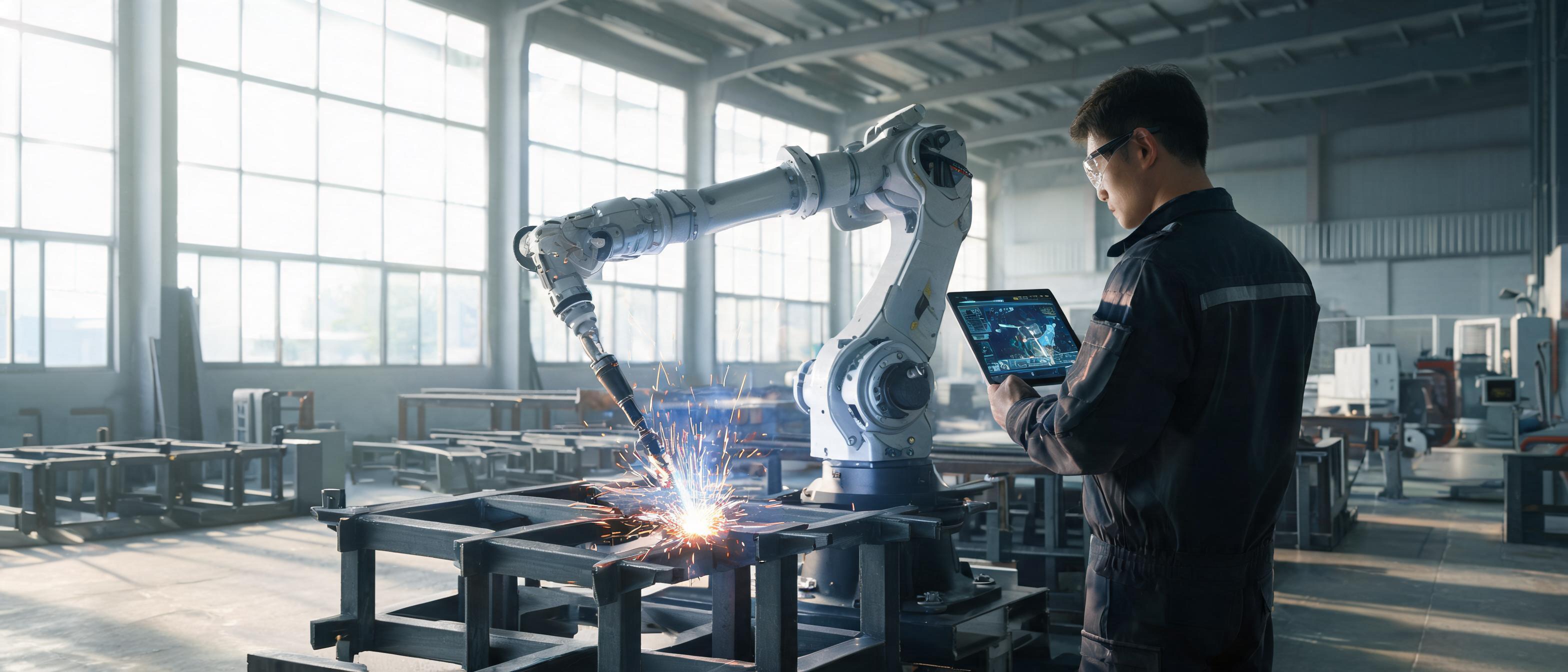
The use of Artificial Intelligence (AI) systems based on Large Language Models offers significant opportunities for welding specialists to analyze vast amounts of information available online when preparing scientific articles and reports, as well as for solving standard tasks in mathematics, physics, chemistry, etc. But the implementation of specialized AI models in welding is highly advisable. These models can effectively address challenges such as optimizing welding parameters, analyzing weld quality using computer vision methods, automating welding for repetitive tasks, monitoring the condition of critical welded structures, creating digital twin systems, and in the field of welder training. The utilization of AI systems in welding and related technologies can provide substantial advantages in the development of new welded products and welding technologies through optimized processes.
Keywords: welding, artificial intelligence, neural networks, welding parameter optimization, weld quality control, robotic welding, monitoring systems, welder training
Received: 07.08.2025 | Received in revised form: 10.04.2026 | Accepted: 16.06.2026
The paper reviews the growing role of specialized AI models tailored for welding applications, contrasting them with general-purpose Large Language Models. Key application areas identified include:
- Parameter optimization — machine learning models trained on process data to recommend optimal welding settings
- Weld quality analysis — computer vision methods for real-time defect detection
- Robotic welding automation — intelligent vision systems enabling adaptive robot programming
- Structural health monitoring — AI-driven monitoring of critical welded infrastructure
- Digital twins — integrated simulation systems for weld process development
- Welder training — AI-assisted education and skills assessment